
Top Siding Trends: Enhancing Your Home’s Curb Appeal
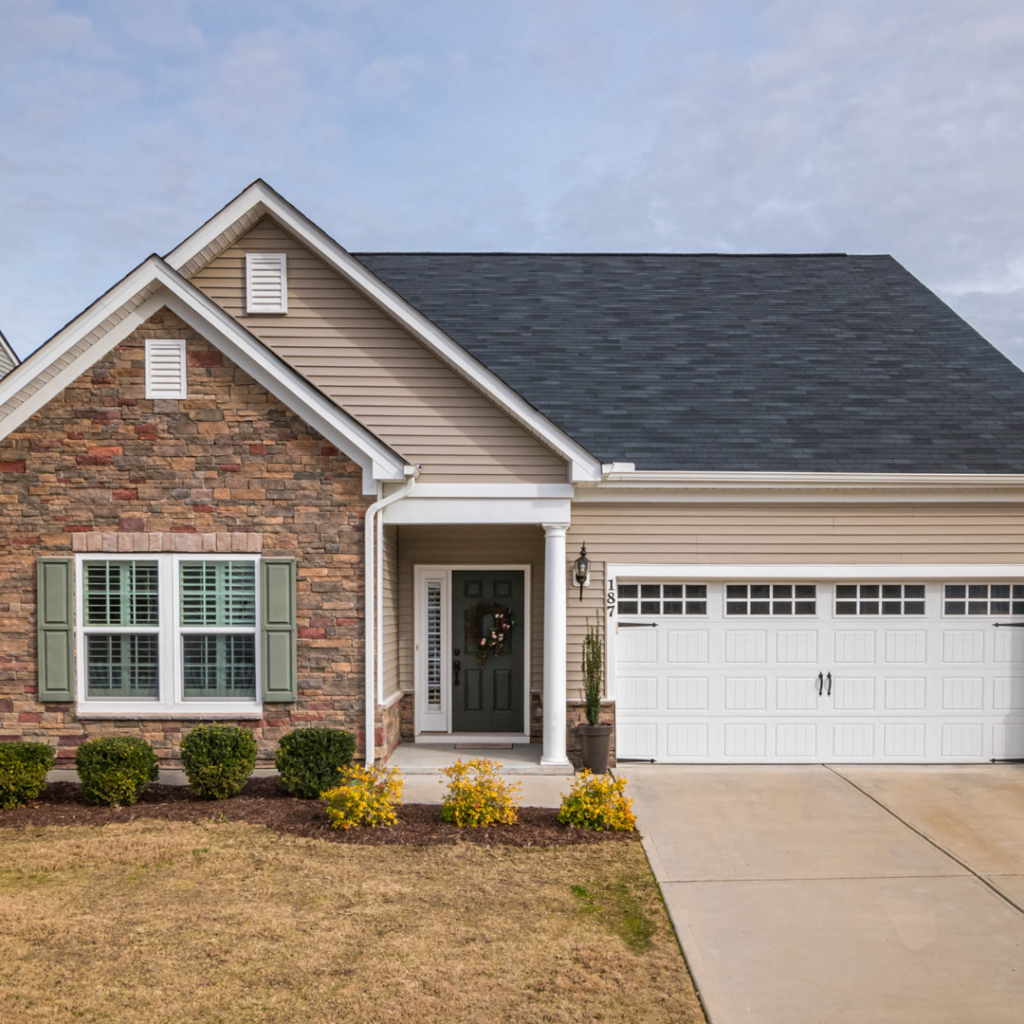
Have you ever wondered how your home’s exterior could make a lasting impression? Are you looking for ways to transform your property with a fresh, modern look? The right siding can be the game-changer you need, offering style, protection, and an undeniable boost to curb appeal. Pair it with a well-designed fence, and you’ve got the ultimate duo for a stunning exterior makeover. In this blog, we’ll explore the top siding trends that are dominating in 2024 and show how these ideas can elevate the look and feel of your home. Whether you’re building a new house or revamping an existing one, siding and fence choices play a crucial role in defining your property’s personality. Why Siding Matters for Your Home’s Curb Appeal Siding is more than just an exterior layer; it’s the protective shield and aesthetic statement of your home. The right siding not only enhances your home’s appearance but also provides insulation, durability, and weather resistance. When combined with a complementary fence, it creates a cohesive and polished look that boosts curb appeal and property value. Top Siding Trends for 2024 1. Sustainable and Eco-Friendly Siding In 2024, homeowners are increasingly prioritizing sustainability. Materials like reclaimed wood, fiber cement, and recycled steel are gaining popularity for their eco-friendly properties and rustic charm. Pairing sustainable siding with a modern siding & fence solution, such as a bamboo or composite fence, creates a harmony between natural beauty and modern design. 2. Bold and Unique Colors Gone are the days of neutral monotony. Today’s homeowners are embracing bold colors like deep blues, rich greens, and striking blacks. These shades make a statement and give your home a modern, luxurious feel. 3. Mixing Materials for Texture Combining materials like stone veneer, wood siding, and metal panels creates depth and visual interest. This trend allows you to highlight architectural features and add personality to your home. 4. Vertical Siding for a Modern Look Traditional horizontal siding is being swapped for sleek vertical designs. Vertical siding elongates your home’s profile, giving it a contemporary and fresh appeal. 5. Dark Exteriors with Light Accents Dark siding is trending, especially when paired with light trims or bright-colored doors. This dramatic contrast adds elegance and charm to any home. 6. Smart Siding with Integrated Technology Homeowners are leaning toward smart siding options that incorporate energy-efficient materials and built-in insulation. Some innovative designs even include solar panel integrations. How to Complement Your Siding with the Right Fence Your siding and fence should work in harmony to create a unified look. Here are some popular combinations: Maintaining Your Siding and Fence Keeping your siding and fence in top condition is essential for preserving curb appeal and property value. Here are some maintenance tips: FAQs About Siding and Fence Q1: What is the best siding material for durability?A: Fiber cement and metal siding are highly durable and resistant to weather, pests, and fire. Q2: How do I choose the right fence to match my siding?A: Consider your home’s architectural style, siding material, and color scheme. A professional consultation can help you find the perfect match. Q3: How often should I clean my siding and fence?A: Cleaning once or twice a year is recommended to maintain their appearance and longevity. Q4: Can I install new siding and keep my existing fence?A: Yes, but ensure the existing fence complements the new siding design for a cohesive look. Q5: What’s the average cost of siding and fence installation?A: Costs vary based on materials and labor. On average, siding installation ranges from $5,000 to $15,000, while fences can cost $1,500 to $10,000 depending on size and materials. Conclusion Your home’s exterior is the first thing people notice, and a thoughtful combination of siding & fence can make a lasting impression. With trends like sustainable materials, bold colors, and mixed textures, you can transform your property into a stunning masterpiece. Whether you’re aiming for modern elegance or rustic charm, these siding trends offer endless possibilities. Ready to elevate your home’s curb appeal? Contact Peace Siding & Fence today for a free consultation and discover how our experts can bring your vision to life! By focusing on the latest siding trends and pairing them with complementary fence designs, you can create a home that’s not just visually appealing but also durable and sustainable. Let your exterior reflect your personality and style while standing out in the neighborhood.
Top 5 Remodeling Projects That Add Value to Your Home
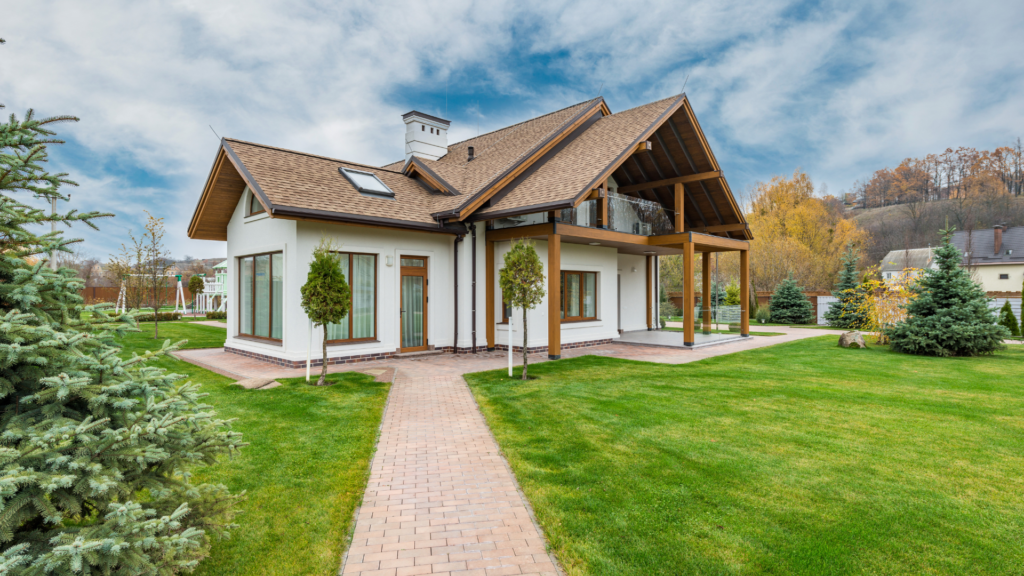
Thinking about upgrading your home? Wondering which renovations give you the best return on investment?You’re not alone. Many homeowners ask the same question before diving into the remodeling process: Which home remodeling projects that increase value are truly worth the time and money? Whether you’re preparing to sell your home or simply want to enhance its functionality and beauty, the right renovations can significantly boost your property’s value. In this guide, we’ll explore the top 5 remodeling projects that increase value, backed by real estate trends, ROI data, and expert insights. Let’s dive into the smart investments that make your home more desirable and more profitable. 1. Kitchen Remodel – The Heart of Value The kitchen is often considered the heart of the home, and for good reason. It’s where families gather, meals are shared, and memories are made. It’s also one of the most impactful home remodeling projects that increase value. Why it adds value: Recommended upgrades: ROI: According to Remodeling Magazine, a minor kitchen remodel can recoup up to 81% of the cost at resale. 2. Bathroom Renovation – Small Space, Big Impact A well-designed bathroom can be a game-changer when it comes to attracting buyers or simply enhancing your lifestyle. That’s why it’s high on the list of home remodeling projects that increase value. Why it adds value: Recommended upgrades: ROI: A mid-range bathroom remodel can return 60–70% of your investment. 3. Curb Appeal Enhancements – First Impressions Count You never get a second chance to make a first impression, and that’s especially true in real estate. Exterior updates are among the top home remodeling projects that increase value, even if they seem cosmetic. Why it adds value: Recommended upgrades: ROI: Simple landscaping and exterior enhancements can provide an ROI of 100% or more in some markets. 4. Finished Basement or Attic – Extra Usable Space Converting unfinished space into livable areas is one of the most strategic home remodeling projects that increase value. Buyers love having additional space for guests, hobbies, or home offices. Why it adds value: Recommended upgrades: ROI: Basement finishing can recoup up to 75% of the cost, while attic conversions often see 60–70% ROI. 5. Energy-Efficient Upgrades – Smart and Sustainable Eco-friendly homes are no longer just a trend—they’re a priority for many homebuyers. Making your home more energy-efficient is one of the long-term home remodeling projects that increase value and reduce monthly expenses. Why it adds value: Recommended upgrades: ROI: Energy-efficient window replacement alone can bring 60–70% ROI, and more when bundled with other upgrades. Bonus Tips for Maximizing Remodeling ROI Final Thoughts When done right, home remodeling projects that increase value are a smart investment in your property’s future. From kitchens to curb appeal, these improvements not only enhance your quality of life but also attract higher offers when it’s time to sell. Whether you’re remodeling for yourself or preparing your home for the market, choose projects that balance function, aesthetics, and ROI. Always plan strategically—and consult with professionals when needed—to make the most out of every dollar spent. Frequently Asked Questions (FAQs) 1. What are the best home remodeling projects that increase value before selling?The top remodeling projects before selling are kitchen and bathroom renovations, exterior improvements (like new siding or landscaping), and energy-efficient upgrades. 2. How much should I spend on a home remodel to get a good ROI?Aim to spend no more than 10–15% of your home’s value on any single renovation. Minor upgrades often bring better ROI than major overhauls. 3. Do home remodeling projects that increase value always guarantee a profit?Not always. Market conditions, neighborhood value, and workmanship affect the ROI. However, strategic projects typically enhance appeal and selling price. 4. Are DIY remodels as effective in increasing home value?DIY projects can save money but may lack the quality or compliance that professionals provide. For structural or technical work, professional contractors are recommended. 5. How can I finance my remodeling projects?Home equity loans, HELOCs, personal loans, or renovation-specific financing options are common ways to fund home remodeling projects that increase value. Ready to Start Adding Value to Your Home? Now that you know the top 5 home remodeling projects that increase value, the next step is taking action. Whether it’s a small bathroom refresh or a complete basement transformation, every improvement brings you closer to a more beautiful, functional, and profitable home. Curious which project suits your home best?Let’s chat! Contact a trusted remodeling expert today to explore personalized recommendations based on your goals, location, and budget. Your dream home—and a better ROI—might be just a renovation away.
Top 10 Questions to Ask Before Hiring a Contractor

Are you planning a home renovation or a commercial project? Wondering how to make sure the contractor you hire is truly the right fit? Before you sign any contracts or write a check, there are critical questions to ask before hiring a contractor that can save you time, money, and unnecessary headaches. Choosing the right contractor is more than just comparing prices. It’s about trust, quality, and clarity. A great contractor can bring your vision to life; the wrong one can turn it into a costly nightmare. In this guide, we break down the top 10 questions to ask before hiring a contractor to ensure your project goes smoothly from start to finish. 1. Are You Licensed and Insured? This is non-negotiable. A reputable contractor should hold the necessary licenses required in your state or municipality. Licensing ensures they meet certain professional standards. Also, insurance protects both you and the contractor in case of accidents or damages. Always ask for proof. This is one of the most vital questions to ask before hiring a contractor because it affects your liability. 2. Can You Provide References From Recent Clients? References give you insights beyond the sales pitch. Ask for at least three recent clients you can call or visit to see their work. This will help you understand their reliability, professionalism, and work quality. If a contractor hesitates, it’s a red flag. Remember, gathering feedback is among the smartest questions to ask before hiring a contractor, giving you real-life context. 3. What Is the Estimated Timeline for This Project? Every project needs a timeline. Whether it’s a kitchen remodel or a full home build, clarity on start and end dates helps you plan. Ask how they handle delays and whether weather, material shortages, or labor issues have impacted their timelines in the past. Including this in your list of questions to ask before hiring a contractor ensures you don’t get left in limbo. 4. Will You Handle All Permits and Inspections? Many homeowners assume contractors handle the legal and administrative aspects. But not all do. Permits and inspections are often necessary for structural changes, plumbing, and electrical work. A reliable contractor will know what’s required and will take care of it for you. This is one of those questions to ask before hiring a contractor that can save you from legal trouble later. 5. What Is the Payment Schedule? Avoid contractors who demand full payment upfront. A standard payment structure includes a down payment with subsequent payments tied to project milestones. This keeps the contractor motivated and reduces your risk. When reviewing questions to ask before hiring a contractor, financial clarity should always be at the top. 6. Who Will Be Working On My Project? Is the contractor doing the work themselves, or will it be subcontracted? You have a right to know who will be on your property. Ask about background checks, experience levels, and how the team is supervised. It’s a crucial point in your list of questions to ask before hiring a contractor because it affects communication and accountability. 7. Do You Offer a Written Contract? Verbal agreements won’t hold up in court. Always insist on a detailed written contract that outlines scope, timeline, payment terms, materials, and warranties. Going over the contract together before signing is one of the smartest questions to ask before hiring a contractor to avoid misunderstandings. 8. What Happens If There Are Changes or Unexpected Costs? Project changes are common, but how they’re handled matters. Ask about their change order process. Will you receive written documentation and revised costs? This is one of the most overlooked questions to ask before hiring a contractor, but it ensures you’re never blindsided by surprise charges. 9. What Kind of Warranty Do You Provide? A good contractor stands by their work. Ask what type of warranty they offer on labor and materials and for how long. Knowing the post-project support they provide is a key part of the questions to ask before hiring a contractor that many homeowners miss. 10. How Do You Communicate During the Project? Communication can make or break a project. Will they call, text, email? How often can you expect updates? Is there a dedicated point of contact? Effective communication should definitely make your list of questions to ask before hiring a contractor because it sets expectations and builds trust. Additional Tips Before You Decide: Asking the right questions to ask before hiring a contractor helps prevent disputes and ensures you’re working with someone who values quality, transparency, and client satisfaction. FAQs About Hiring a Contractor Q1: How many contractors should I interview before making a decision?A: Ideally, you should speak to at least three contractors to compare experience, pricing, and professionalism. Q2: Should I negotiate a contractor’s quote?A: Yes, it’s acceptable to negotiate. Just make sure changes are reflected in a revised written contract. Q3: What should I do if a contractor asks for full payment upfront?A: This is a red flag. Never pay in full before work begins. Use a milestone-based payment plan instead. Q4: Is a permit always required?A: It depends on the scope of work and local regulations. Your contractor should advise you on this and ideally obtain permits on your behalf. Q5: What if I’m not satisfied with the finished work?A: Address your concerns immediately. Refer to the contract’s dispute resolution or warranty clauses. Final Thoughts Hiring a contractor doesn’t have to be a gamble. When you come prepared with the right questions to ask before hiring a contractor, you reduce risk and increase your chances of a successful, stress-free project. Don’t be afraid to dig deep—you’re investing your money, time, and trust. The more informed you are, the better your outcome will be. Ready to Start Your Project the Right Way? Before you hand over a deposit or sign on the dotted line, make sure you’ve got these questions to ask before hiring a contractor at your fingertips. Download our free contractor interview checklist or contact